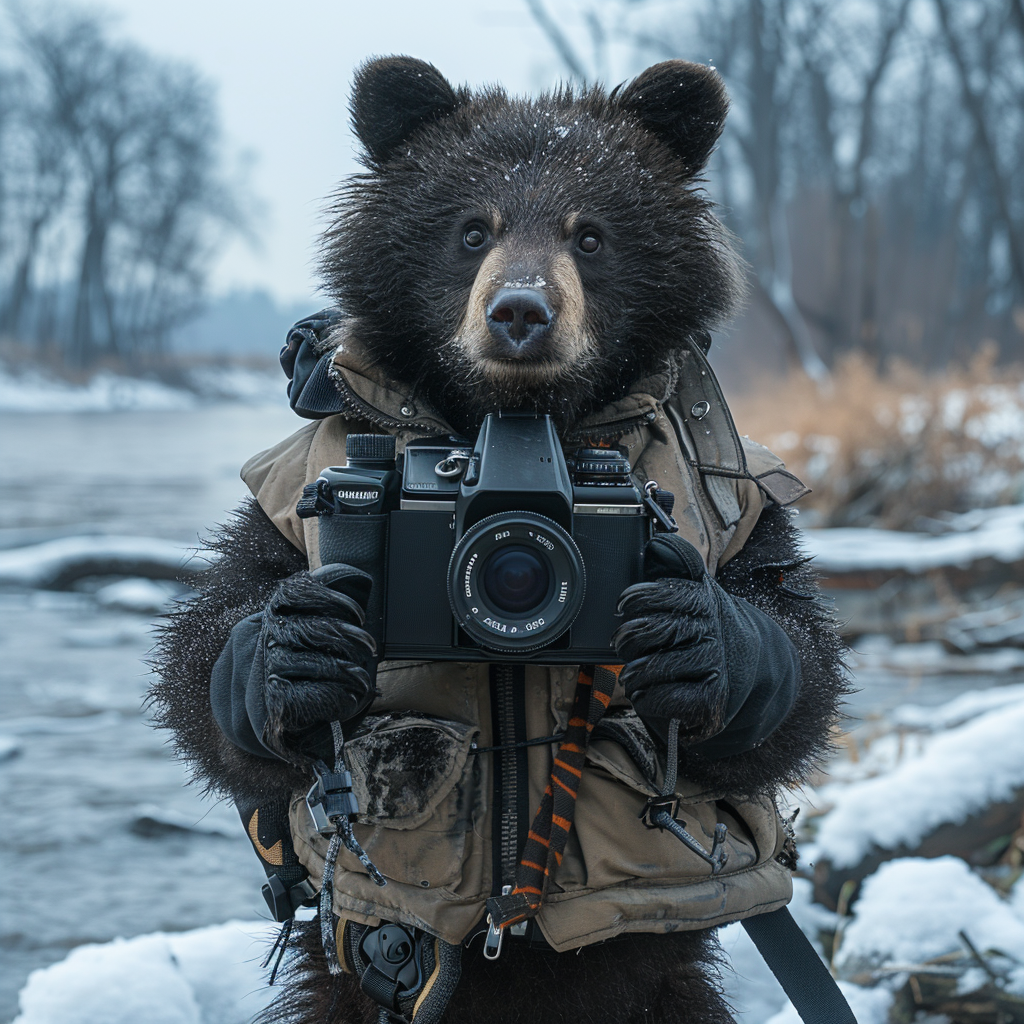
Unlock the secrets to stunning winter photography amidst snow-covered peaks.
Introduction
Winter transforms mountainous landscapes into mesmerizing scenes of snow-draped peaks, frosty trees, and serene white valleys. Capturing the perfect winter landscape photos in these snowy mountains requires a blend of preparation, technical skill, and creative vision. This comprehensive guide will share tips and techniques to help you take breathtaking winter photographs that capture the season's magic.
1. Prepare for the Cold: Essential Gear for Winter Photography
Dress Warmly to Stay Focused
- Layer Up: Wear thermal layers, insulating jackets, and waterproof outerwear.
- Protect Extremities: Use insulated gloves that allow camera operation and wear warm boots with good traction.
Protect Your Camera Equipment
- Weather-Sealed Gear: Opt for cameras and lenses with weather sealing to resist moisture and cold.
- Lens Hood and Filters: Use a lens hood to reduce flare from snow glare and protect the lens from snowflakes.
- Silica Gel Packs: Place them in your camera bag to absorb moisture.
Battery Management
- Carry Spares: Cold weather drains batteries faster; keep spares warm in an inner pocket.
- Avoid Condensation: Place your camera in a sealed plastic bag when moving between temperatures.
2. Plan Your Shoot: Timing and Location are Key
Chase the Golden and Blue Hours
- Golden Hour: Capture warm sunlight contrasting with cool snow during sunrise and sunset.
- Blue Hour: Utilize the soft, bluish light before sunrise and after sunset for moody shots.
Weather Conditions Enhance Mood
- Snowfall and Mist: Shooting during light snow or mist adds atmosphere and depth.
- Clear Skies: Offer sharp, detailed images of mountain peaks against blue skies.
Scout the Best Locations
- Research Ahead: Use maps and apps to find vantage points and interesting features.
- Safety First: Be aware of weather forecasts and avalanche warnings.
3. Master Exposure in Snowy Conditions
Understand Exposure Challenges
- Overexposure Risk: Snow reflects sunlight, tricking the camera meter.
- Exposure Compensation: Dial in +1 or +2 stops to prevent underexposed, gray-looking snow.
Utilize Camera Settings
- Shoot in Manual Mode: Gain full control over exposure settings.
- Histogram Check: Use it to ensure highlights are not clipped.
Use Filters Wisely
- Polarizing Filter: Reduces glare and enhances sky contrast.
- Neutral Density Filter: Allows for longer exposures to capture movement in clouds or water.
4. Composition Techniques for Stunning Winter Landscapes
Incorporate a Strong Focal Point
- Isolated Trees or Cabins: Add interest and scale to vast snowy scenes.
- Mountain Peaks: Use prominent peaks as central elements.
Lead the Eye with Lines and Patterns
- Natural Lines: Use trails, rivers, or shadows to guide viewers through the image.
- Snow Textures: Capture wind-blown patterns or animal tracks.
Play with Perspective
- Foreground Interest: Include rocks, branches, or footprints to add depth.
- Change Angles: Shoot from low or high viewpoints for unique perspectives.
5. Post-Processing Tips for Winter Photos
Adjust White Balance
- Correct Color Casts: Ensure snow appears crisp white, adjusting for blue or gray tones.
- Use RAW Format: Provides greater flexibility in color corrections.
Enhance Contrast and Clarity
- Boost Midtones: Adds depth to flat-looking snow scenes.
- Sharpen Details: Highlight textures in snow and rugged mountain features.
Highlight the Sky
- Gradient Filters: Balance exposure between bright snow and darker sky.
- Enhance Colors: Subtly boost sky hues for dramatic effect.
Conclusion
Capturing the perfect winter landscape photos in snowy mountains is a fulfilling endeavor that showcases the serene beauty of nature's coldest season. By preparing adequately, understanding the unique challenges of winter photography, and applying creative composition and post-processing techniques, you can create stunning images that resonate with viewers.
Get Out There and Shoot!
Winter offers a limited window to photograph its pristine landscapes. So bundle up, head to the mountains, and capture those perfect winter scenes. Your next breathtaking photo is just a snowfall away!